
Every industrial or commercial operation relies on packaging and bonding solutions that perform consistently, deliver protection, and support smooth workflows. Across Chennai and Tamil Nadu, businesses - from manufacturers and wholesalers to logistics providers - demand adhesive tapes that are dependable and long-lasting. High-quality industrial tapes, such as 3M Double Sided Tissue Tape 91091, VHB Tape, and Adhesive Transfer Tape 467MP, are essential for processes ranging from assembly to packaging.
When industrial tape fails, the result can be increased waste, reduced operational efficiency, product damage, and unplanned costs related to rework or returns. Extending the lifecycle of your adhesive tapes is about more than direct savings - it safeguards brand reputation and delivers reliability expected in high-performance environments. The factors that influence tape lifespan - which include adhesive type, storage conditions, and careful application - determine the return on every packaging investment.
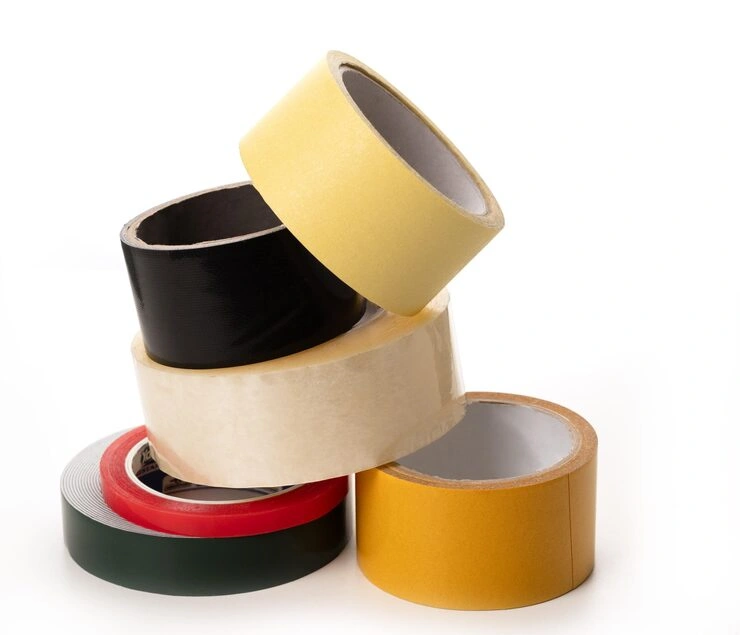
Tape Point Khush Marketing supplies an extensive industrial adhesive tape range engineered for the unique requirements of India’s climate and industry. Applying best practices for storage, handling, and periodic testing ensures every tape roll delivers measurable value and operational consistency.
Tape longevity is directly tied to several operational and environmental elements:
Industrial tapes, especially those designed for large-scale operations, are engineered with a well-defined product lifecycle. Proper understanding of tape lifespan is essential for informed purchasing, storage, and maintenance decisions.
Careful distinction between these concepts helps avoid applying expired tape or failing to plan timely replacements in industrial setups.
Adhesive composition defines both shelf and service life. The three dominant adhesive chemistries used in industrial tapes are:
| Adhesive Type | Typical Shelf Life | Key Advantages | Common Weaknesses | Typical Applications |
|---|---|---|---|---|
| Acrylic | 1–2 years+ | UV resistant, long-term durability | Lower initial tack for some surfaces | Signage, electronics, exterior bonding |
| Rubber-based | 6–12 months | Fast stick, easy handling | Brittle/hardens with heat, UV-sensitive | Carton sealing, general packaging |
| Silicone | Up to 5 years* | Premium thermal/chem resistance | Higher cost, some loss of flexibility | Electronics, automotive, specialty |
(*Varying by formulation and storage)
On the ground, this means a tape like 3M VHB can deliver years of stable adhesion, while rubber-based tapes should be cycled and monitored closely in tropical climates. Certain high-tech tapes, such as high-performance adhesive transfer tapes, are engineered to withstand even greater extremes in industrial environments.
Protecting the quality of your tapes while in storage is crucial to achieving maximum performance and predictable results in production or shipping. Tape Point Khush Marketing aligns with international and 3M standards in its storage recommendations.
| Storage Aspect | Optimal Practice | What to Avoid | Result if Poorly Stored |
|---|---|---|---|
| Temperature | 15–26°C | >30°C, <10°C | Loss of tack or cracking |
| Humidity | 40–60% RH | <30% or >70% RH | Adhesive drying or mould growth |
| Light Exposure | Dark, dry storerooms | Direct sunlight or strong lighting | Liner & adhesive breakdown |
| Packaging | Original sealed wrap | Left unwrapped/exposed | Dust, air, or chemical damage |
| Roll Orientation | Vertical storage | Flat/horizontal stacking | Roll deformation, pressure edges |
| Stock Rotation | FIFO | Mixing old with new | Expired tape, unpredictable use |
Adhering to these storage principles ensures that tapes are as strong and useful on their final day as on the day they were delivered.
How tapes are handled and applied on the manufacturing floor, warehouse, or packaging line directly influences both the immediate bond and long-term durability.
To maximise adhesion and lifespan:
Consistent, repeatable technique across your team helps each roll deliver its intended operational value.
Even the best tape can fail early if exposed to damaging conditions or handled without care. Common contributors to reduced tape service life include:
Awareness and control of these risk factors help enterprises maintain reliability and cost control.
Industrial buyers and operational managers are increasingly leveraging scientific data and real-world testing to inform their tape selection and usage cycles.
| Tape Product | Test Method | Retained Performance (%) | Simulated Real-World Time |
|---|---|---|---|
| 3M VHB Tape | 10,000 hours UV/heat/humidity | 90%+ shear and peel strength | 18–54 years exterior use |
| 3M Adhesive Transfer Tape 467MP | Thermal cycling, high RH | Minimal adhesive flow, no softening | 3–5 years in electronics |
| Standard Rubber Carton Tape | 6 months at 30°C/70% RH | Noticeable tack loss/brittleness | <1 year in challenging climates |
Learn more about proven 3M VHB Tape durability features for demanding environments and long-term bonding.
To ensure your tapes continue to perform:
These measures support efficient, predictable, and safe operations, allowing for proactive scheduling and reduced unscheduled downtime.
Consistency and durability depend on the interplay of proper tape selection, storage, application, and maintenance. The use of certified products such as 3M Double Sided Tissue Tape 91091, Mirror Mount Tape, VHB Tape, and other advanced offerings from Tape Point Khush Marketing ensures operational quality and safety.
Implement these operational practices:
For procurement managers and operations heads, partnering with suppliers that offer comprehensive support, proven product lines, and flexible order volumes contributes significantly to reducing total cost of ownership and improving workflow efficiency.
Tape Point Khush Marketing not only provides tailored product solutions but also offers consultation, bulk supply, and expert support to help factories, e-commerce brands, and logistics providers meet dynamic needs. For requirements encompassing e-commerce shipment protection, fragile goods packaging, factory material management, or specialised mounting and sealing, the right tape - and the right partner - safeguard operational investments.
Explore our diverse bulk packaging materials or contact Tape Point Khush Marketing for specialist advice, custom product matching, or to discuss your high-volume tape and packaging needs.
1. What is the standard shelf life for industrial adhesive tapes?
Shelf life depends on formulation and storage but typically ranges between 6–12 months for rubber-based types and 1–2 years or longer for acrylic and silicone tapes if stored as recommended.
2. How does temperature affect tape lifespan?
High temperatures above recommended limits can soften adhesives and cause performance loss, while very low temperatures can make tapes brittle or dry. Always store between 15°C and 26°C.
3. Are tapes usable beyond their stated shelf life?
If tapes are stored in optimal conditions, they may perform well past their rated shelf life. Always perform adhesion tests before critical use if tape age exceeds guidelines.
4. Why do acrylic adhesives last longer than rubber-based ones?
Acrylics resist damage from UV light, oxidation, and heat far better than rubber-based chemistries, making them preferable for long-term and outdoor use.
5. What is the best humidity level for storing tapes?
Maintain 40–60% relative humidity. Too much dampness may lead to softening and mould risk, while too little can dry adhesives and compromise performance.
6. How should surfaces be prepared for maximum adhesion?
Clean surfaces with appropriate solvents, remove oil, dirt, and ensure full drying before application for best adhesive performance.
7. Does UV exposure degrade tapes before use?
Yes, exposure to sunlight or artificial UV can cause adhesives and liners to break down even before tapes are applied. Always store tapes away from light.
8. What changes occur to tape after bonding?
Adhesives cure and strengthen, but can also soften or become brittle if exposed to heat, UV, or aggressive chemicals over time.
9. Should old tape be tested before use?
Always test tape that is near or past its stated shelf life by applying a small section and checking bond strength before use in production or packaging.
10. How do tackifiers impact tape durability?
Tackifiers provide fast stick but may increase risk of edge ooze, softness, or migration if stored or exposed to heat and pressure over time. Industrial tapes with minimal or engineered tackifier content offer better long-term stability.
Tape Point Khush Marketing is committed to providing durable, consistent, and tested adhesive solutions for every industrial demand. When it comes to packaging, mounting, sealing, or bonding - if it is worth producing, it is worth protecting.
Searching for Industrial Tape Wholesalers? Well, we are the leading Industrial Adhesive Tape Manufacturers, Industrial Tape Manufacturers. We are the prominent best Manufacturers, Wholesalers 3M Double Sided Tissue Tape 91091, Adhesive Cotton Tape, 3M Floor/Lane Marking Tape, Aluminium Foil Tape, Aluminium Glass Tape, Aluminium Pet Tape, Anti Skid Tape/Slip Tape, Black Paper Masking Tape, Bopp Self Adhesive Tape, Concrete Shuttering Tape, CLS Gasket Tapes..
© 2025 Tape Point Khush Marketing | All Rights Reserved | Developed By
