Every choice of adhesive tape directly affects product quality, safety, efficiency, and brand reputation for industrial companies, manufacturers, and packaging professionals. In sectors ranging from electronics and automotive to logistics and packaging throughout India, especially in Chennai, selecting the correct tape does far more than just close a box - it protects value, ensures smooth operations, and delivers professionalism across assembly lines, inventory, transit, and final delivery. At Tape Point Khush Marketing, our mission is to deliver dependable, high-performance tape solutions trusted by industries for reliability, safety, and cost efficiency.
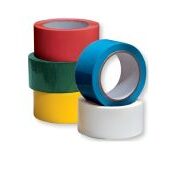
Selecting the right tape requires more than picking a familiar option. It demands a clear understanding of your assembly processes, materials and surfaces, environmental exposures, operational requirements, and budgets. The following guide provides the knowledge you need to make confident, informed decisions and achieve superior results for your business.
Adhesive tapes are engineered products formed by coating pressure-sensitive adhesive onto a flexible “backing” material. In industrial settings, the right tape supports bonding, sealing, protection, insulation, and identification needs.
Key adhesive types in industrial tapes:
Typical backing materials include:
Tape forms:
The right tape selection balances adhesive chemistry, backing material, form factor, and ease of use with the conditions and processes within your plant or warehouse. Bulk and custom-sized options allow you to further optimise process speed, usage incentives, and branding.
Precision in tape selection starts with understanding technical specifications that influence performance and suitability.
| Adhesive Type | Advantages | Drawbacks | Recommended Temp Range | Typical Applications |
|---|---|---|---|---|
| Rubber | Immediate tack, affordable | Lower weather/chemical/UV resistance, ages with exposure | 20°C–65°C | Packaging, carton sealing, everyday closures |
| Acrylic | High durability, UV/chemical resistance, long lifespan | Slower bond development, higher cost | -18°C–200°C | Outdoor signage, automotive, plastics, metals |
| Silicone | Heat and chemical resistance, works on tricky surfaces | Costliest, for specialised tasks | -29°C–260°C | Electronics, electrical insulation, specialty sectors |
Backings and thickness impact:
Tap into key performance factors:
Careful attention to these elements helps create stronger, more reliable and cost-effective outcomes in every industrial application.
The right tape is best chosen through a structured method like the ASPEC Framework:
ASPEC Method:
Checklist for effective tape selection:
Environmental exposure:
Load and stress handling:
Taking a systematic approach with ASPEC ensures responsible purchasing and long-term satisfaction.
Matching the correct tape ensures operational efficiency, safety, and product protection. The following table aligns common industry needs with recommended tape options:
| Application Area | Need | Recommended Tape Types |
|---|---|---|
| Packaging & Shipping | Secure sealing, cushioning, volume | Bopp Self Adhesive Tape, Stretch Film, Packaging materials like Air Bubble Rolls and Corrugated Boxes |
| Export & Fragile Goods | Shock absorption, moisture barrier | Air Bubble Roll, Surface Protection Tape, Corrugated Box |
| Mounting/Assembly (Automotive, General) | High-strength, low-profile bonds | 3M Double Sided Tissue Tape 91091 for metals and plastics, 3M Mirror Mount Tape, 3M VHB Tape, Double Sided Foam Tape |
| Electronics, Devices | Clean, thin adhesion, temperature | 3M Adhesive Transfer Tape 467MP |
| Workplace Safety | Anti-slip, clear marking | 3M Anti-Skid Tape for improving workplace safety, Floor/Lane Marking Tape |
| Construction (Temporary Works) | Temporary hold, easy removal | Concrete Shuttering Tape, Black Paper Masking Tape |
| Electrical & HVAC | Insulation, reflective surface | Aluminium Foil Tape, Heat-resistant tapes |
| Finishing & Branding | Professional presentation | Chocolate Twist Ties, CLS Gasket Tape, printed tapes |
For comprehensive descriptions and support, see the Industrial adhesive tapes product range and wholesale services.
Packaging tapes and materials
Bonding tapes
Safety tapes
Specialty tapes
Ordering from Tape Point ensures consistent quality, timely deliveries, and expert assistance for your unique project needs.
Ensuring optimal results with industrial tapes requires proper preparation, environmental awareness, and attention to recommended handling.
Surface Preparation Checklist:
Application Temperature and Environment:
Pressure and Curing Recommendations:
Pre-testing under actual operating conditions helps identify potential issues and validates suitability for your application.
Preventing these common mistakes saves material costs, reduces downtime, and maintains reputation for reliable product delivery.
Refer to this checklist for efficient tape specification and ordering:
Note: These steps provide decision support - always test and confirm fit before broad implementation.
What is the strongest adhesive tape for industrial use?
Acrylic foam-based products such as 3M VHB Tape are widely recognised for exceptional bond strength, vibration absorption, and reliability on metals, plastics, and glass. They allow tool-free, permanent assembly and are preferred for demanding uses.
How do rubber, acrylic, and silicone adhesives perform in different conditions?
What temperature conditions are optimal for tape application?
Surfaces should be at least 10°C for application. Rubber adhesives suit moderate climates, while acrylic and silicone tapes are best for environments with greater temperature swings.
Which tapes are best for textured or plastic surfaces?
Thicker, foam-based tapes and certain acrylic adhesives are generally suitable. Double Sided Foam Tape and 3M VHB Tape conform to uneven surfaces and bond many plastics effectively.
How does tape thickness affect bonding strength?
Greater thickness usually increases gap-filling and stress distribution for uneven surfaces and heavy items. Thin tapes are optimal on smooth, flat surfaces with lighter loads.
What defines a tape as suitable for outdoor use?
Outdoor applications require resistance to UV, temperature variations, rain, and pollution. Acrylic and silicone adhesives with weather-resistant backings provide the best results for signage, panels, and external protection.
Can tapes replace liquid adhesives in manufacturing?
Tapes deliver rapid, clean, and controlled bonding without mess or extended curing times - ideal for many assemblies. High-performance tapes like 3M VHB Tape can substitute for glues or mechanical fasteners, but always verify load rating and usage context.
How should I select double-sided tape for mounting heavy objects?
Choose thick, acrylic foam tapes or performance-rated double-sided tapes matched to the estimated weight, surface material, and environment. Ensure clean, dry substrates and allow for proper curing before stress is applied.
Why does tape sometimes fail to bond properly?
Common causes include contamination, surface roughness, unsuitable tape type, low application temperature, or insufficient curing. Careful surface prep and following technical guidance usually solve these issues.
How does the ASPEC method simplify tape selection?
ASPEC provides a clear path: assess the Application, Substrates, Process, Expected environment, and Cost. By working sequentially, you avoid the most common selection errors and choose a tape that aligns with technical and operational needs.
For expert advice, bulk supply, or custom tape and packaging solutions in Chennai and across India, Contact Tape Point for customized adhesive tape solutions and consultation. Every tape order is a promise kept - protect your product, brand, and future with the right choice.

Searching for Industrial Tape Wholesalers? Well, we are the leading Industrial Adhesive Tape Manufacturers, Industrial Tape Manufacturers. We are the prominent best Manufacturers, Wholesalers 3M Double Sided Tissue Tape 91091, Adhesive Cotton Tape, 3M Floor/Lane Marking Tape, Aluminium Foil Tape, Aluminium Glass Tape, Aluminium Pet Tape, Anti Skid Tape/Slip Tape, Black Paper Masking Tape, Bopp Self Adhesive Tape, Concrete Shuttering Tape, CLS Gasket Tapes..
© 2025 Tape Point Khush Marketing | All Rights Reserved | Developed By
