Selecting the appropriate adhesive tape is vital for ensuring reliable packaging, assembly, and mounting in industrial environments. Choosing between 3M Double Sided Tissue Tape and 3M Double Sided Foam Tape can significantly impact operational efficiency, product presentation, and long-term durability. Industrial buyers in Chennai and across India who prioritise secure packaging and process reliability require clarity on the strengths, limitations, and best-fit applications of these two tape types.
Understanding the detailed characteristics, performance metrics, applications, and decision points enables professionals in manufacturing, logistics, electronics, and packaging to avoid errors, reduce waste, and maintain quality standards. This guide offers a comprehensive technical comparison and serves as a practical reference for managers, engineers, and procurement teams selecting tapes for diverse business needs.
Tape Point stands out for its commitment to quality assurance, durable bonding, reliable bulk supply, and customer satisfaction. Whether your requirements demand precision or adaptability, the details below provide the basis for confident decision-making.
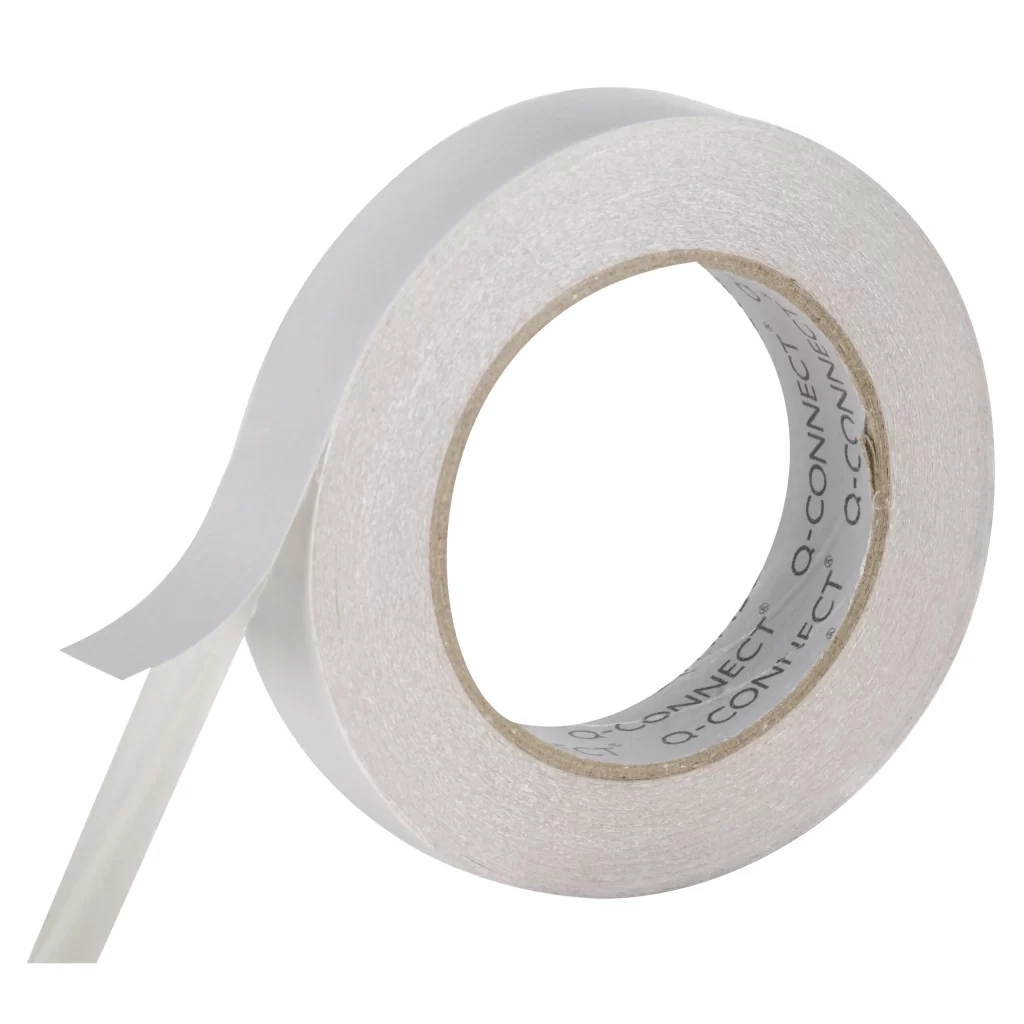
3M Double Sided Tissue Tape is engineered for discreet, secure bonds where total thickness must be minimised and clarity in application is required. Its construction and features address specific industrial needs:
Definition and Material Composition
Typical Thickness and Adhesive Type
Common Industrial Applications
Key Benefits
For detailed specifications and bulk ordering, refer to 3M Double Sided Tissue Tape 91091 product details.
3M Double Sided Foam Tape provides flexibility, shock absorption, and strong adhesion across a broader spectrum of surfaces, especially where irregularities or vibration are factors.
Foam Core Materials
Thickness Variations and Cushioning Properties
Primary Industrial Applications
Advantages
To examine full product details and ordering options, visit 3M Double Sided Foam Tape offerings.
Understanding the technical differences between tissue and foam tapes supports informed choices for varied industrial applications.
Core Material and Thickness Comparison
Surface Compatibility and Bond Appearance
Performance in Vibration Dampening and Gap Filling
Temperature and Environmental Resistance
Here is a side-by-side comparison of their key attributes:
| Feature | 3M Double Sided Tissue Tape | 3M Double Sided Foam Tape | 3M VHB Tape |
|---|---|---|---|
| Core Material | Tissue paper (thin) | PE/PU/acrylic foam (thick) | Acrylic foam |
| Typical Thickness | 0.08–0.1 mm | 0.5 mm – 3 mm+ | 1.1–3.0 mm |
| Ideal Surface | Smooth, flat, clean | Textured, irregular, rough | Any (even low-surface-energy) |
| Bond Line Appearance | Nearly invisible | Visible, cushion effect | Slightly visible |
| Vibration Dampening | Minimal | High | Very high |
| Gap Filling | Low | Excellent | Excellent |
| Temperature Resistance | Up to 80°C (typical) | Up to 90°C (PU/PE); 150°C+ (acrylic) | Up to 200°C (varies) |
| Recommended Uses | Overlays, labels, die-cuts | Automotive, signage, mirrors | Structural, load-bearing |
For demanding permanent bonds and structural assemblies, see 3M VHB Tape advanced bonding solutions.
Performance depends on both environmental and load demands:
Adhesion Strength and Durability
Flexibility and Conformability
Resistance to Temperature, UV, and Moisture
Longevity and Aging in Industrial Environments
Optimising tape performance requires matching tape type to surface and following precise installation steps.
Best Surfaces for Tissue Tape
Ideal Surfaces for Foam Tape
Preparation Steps for Optimal Adhesion
Application Tips
Correct double-sided tape application results in cost savings, reduced rework, and stronger final assemblies. Here are typical use cases for each:
3M Double Sided Tissue Tape
3M Double Sided Foam Tape
Real-World Comparison Examples
To source tailored products for your operation’s size, frequency, and substrate needs, browse Industrial Tape Wholesalers in Chennai for bulk supply.
Making the correct tape selection prevents costly failures and process interruptions. Follow this checklist:
Assess Surface Type and Texture
Evaluate Load and Environmental Conditions
Consider Bond Line Visibility and Aesthetics
Decide on Foam Thickness if Foam Tape is Chosen
Factor in Customization and Bulk Requirements
For in-depth advice and tailored recommendations, consult Tape Point for both standard and custom adhesive tape options.
Industrial assembly and packaging can encounter setbacks if tape is not applied or selected correctly. Prevent these common issues:
Poor Surface Preparation Effects
Improper Pressure or Curing Time
Using Tissue Tape on Unsuitable Rough Surfaces
Removal Considerations to Avoid Surface Damage
Additional Troubleshooting
What distinguishes tissue tape from foam tape?
Tissue tape has a thin tissue carrier and yields nearly invisible joints, while foam tape is thicker and designed for gap filling, vibration dampening, and uneven surfaces.
Is foam tape suitable for bonding glass, and can tissue tape be used on concrete?
Foam tape will cling well to glass if thickness is not an issue. Tissue tape is not recommended for rough surfaces like concrete as it cannot bridge the texture or unevenness.
What makes 3M VHB Tape stand out?
3M VHB Tape is an acrylic foam tape designed for structural or critical assemblies. It offers higher temperature, UV, and weather resistance, and can undertake heavy-duty or load-bearing roles beyond the capacity of standard tissue or foam tapes.
Which tape works better outdoors or at high temperatures?
Acrylic foam tapes, like VHB, withstand outdoor exposure and high temperatures thanks to strong environmental resistances. Tissue tapes are generally suited to indoor, temperature-stable applications.
How long does it take for these tapes to reach full strength?
Tissue tapes deliver nearly full adhesion immediately with proper pressure. Foam tapes, especially acrylic types, achieve optimal strength within 24–72 hours.
What are the best removal practices to avoid damaging surfaces?
Tissue tapes usually remove cleanly from smooth, non-porous surfaces. Foam tapes may leave residue or, with aggressive removal, affect underlying finishes. Use solvents and check manufacturer’s removal protocols as necessary.
Will these tapes bond to all materials?
Most standard industrial substrates are compatible; avoid tapes on silicone, powdery, waxed, or highly textured surfaces unless surface treatment is employed.
Do these tapes support heavy weights?
Standard tissue and foam tapes are designed for lightweight and medium-duty mounting. For heavy or structural applications, select VHB tapes after technical review.
How should these tapes be stored for maximum shelf life?
Store in cool (15°C–25°C), dry environments, away from direct sunlight or excess humidity.
Does Tape Point offer custom-cut, branded, or bulk tape supplies?
Yes, Tape Point provides bulk supply and customization of tapes - choose custom widths, lengths, die-cut rolls, or branded packaging per industrial need.
For additional technical support or to discuss complex applications and bulk pricing, Contact Tape Point for customized tape solutions.
Tape Point ensures Chennai’s manufacturers and logistics providers receive the right adhesive tapes through trusted expertise, responsive support, and meticulous product selection. Count on us for every industrial application that demands security, reliability, and efficient packaging.

Searching for Industrial Tape Wholesalers? Well, we are the leading Industrial Adhesive Tape Manufacturers, Industrial Tape Manufacturers. We are the prominent best Manufacturers, Wholesalers 3M Double Sided Tissue Tape 91091, Adhesive Cotton Tape, 3M Floor/Lane Marking Tape, Aluminium Foil Tape, Aluminium Glass Tape, Aluminium Pet Tape, Anti Skid Tape/Slip Tape, Black Paper Masking Tape, Bopp Self Adhesive Tape, Concrete Shuttering Tape, CLS Gasket Tapes..
© 2025 Tape Point Khush Marketing | All Rights Reserved | Developed By
