Understanding Different Types of Foam Tapes and Their Uses

Understanding Different Types of Foam Tapes and Their Uses

Strong, reliable bonding and effective sealing are critical for Indian industries, manufacturers, logistics providers, and e-commerce businesses. Foam tapes, known for their versatile properties and straightforward application, deliver solutions where traditional adhesives or mechanical fasteners may not suffice. These tapes are used throughout packaging, manufacturing, automotive, construction, and electronics sectors, providing secure joints, vibration and noise reduction, and safeguarding sensitive products during transport.
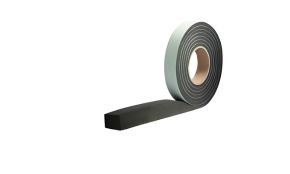
Foam tapes meet the demands of gap filling, cushioning, and environmental resistance - often within a single roll. Timely bulk supply, technical consultation, and consistent quality from trusted Industrial Tape Wholesalers contribute to efficient operations. This guide explains the various types of foam tapes available in the Indian market, the technical criteria for their selection, critical properties, and practical uses for industrial buyers, packaging specialists, and manufacturing leaders.

Making an informed choice - selecting foam tape to suit your substrate, application environment, and use case - is fundamental for achieving optimal performance, safety, and durability. The sections below cover construction, features, and industry benefits, supporting reliable sourcing and correct application.

Introduction to Foam Tapes

Foam tape is a flexible adhesive material where a foam carrier is coated with pressure-sensitive adhesive on one or both sides. This combination provides the gap-filling, cushioning, and sealing functions of foam with the simplicity of peel-and-stick adhesive bonding. Suppliers such as Industrial Adhesive Tape Manufacturers typically provide foam tapes as rolls in different widths, thicknesses, and foam substrates to address a range of industrial requirements.

Key functions and uses of foam tapes:

  • Sealing against moisture, dust, and air
  • Bonding surfaces without the need for screws, rivets, or welding
  • Cushioning delicate products during handling or shipping
  • Filling gaps or evening irregular surfaces
  • Reducing vibration and noise in assemblies

Benefits Over Traditional Adhesives

Foam tapes offer compelling advantages compared to liquid adhesives and mechanical fasteners:

  • Immediate bond to clean surfaces; requires no drying or curing
  • Effective on textured, uneven, or rough substrates
  • Built-in cushioning protects sensitive components and packaged goods
  • Excellent absorption of energy from vibration or impact
  • Simple, clean assembly - eliminates mixing, dripping, or mess
  • Replaces screws, welding, or rivets for a seamless finish

In combination with other protective packaging materials, such as bubble roll or corrugated inserts, foam tape adds an extra layer of security for goods in transit, helping to minimize breakage and return rates.

Types of Foam Tapes

Choosing the right foam tape means understanding its fundamental types, distinguished by sidedness, internal structure, and material. Each type brings special benefits for specific applications.

By Sidedness: Single-Sided and Double-Sided Tapes

  • Single-sided foam tape: Adhesive is applied to only one face of the foam. This type is used for gasketing, insulation, noise dampening, and sealing applications where only a single bond is needed.
  • Double-sided foam tape: Adhesive on both sides allows it to bond two surfaces together. This is ideal for mounting, fixing, and creating secure permanent bonds without visible fasteners.

For mounting projects, display panels, or signage installation, review our complete 3M Double Sided Foam Tape offerings. These tapes are available in several configurations tailored to manufacturing and retail environments across India.

By Foam Structure: Closed-Cell and Open-Cell

  • Closed-cell foam: Characterized by completely sealed cells that block water, solvents, dust, and air. They are best used in applications needing water resistance, weatherproofing, or chemical protection.
  • Open-cell foam: The interconnected cells allow airflow and compression, making these tapes softer, more conformable, and suitable for applications such as sound dampening and light-duty gaskets.

Foam Structure Comparison Table

Foam Structure Water & Weather Resistance Compression Recovery Best Applications
Closed-cell Excellent Good Sealing, insulation, gasketing
Open-cell Low Superior Sound dampening, cushioning

By Material: Foam Tape Substrates

Foam tapes are available in several base materials, each with unique qualities for industrial use:

  • Acrylic foam: Delivers high bonding strength, outstanding UV, and chemical resistance, and withstands temperatures up to 200°C. Preferred in automotive mounting, exterior assemblies, and construction glazing.
  • Polyethylene (PE) foam: Light, flexible, and moisture-resistant. Used for packing, electronics, and lightweight bonding.
  • Polyvinyl Chloride (PVC) foam: Used in gaskets, doors, HVAC installations, and equipment for its electrical insulation and moderate flame resistance.
  • Polyurethane (urethane) foam: Offers flexibility, good rebound, and operates over a wide temperature range; excellent for noise control and cushioning.
  • Vinyl and nitrile foams: Engineered for oil, fuel, and chemical resistance, making them ideal for industrial gasketing and insulation.
  • Polyester foam: Used for sound/vibration dampening, especially for automotive cosplay and interiors.

Material Characteristics Table

Material Max Temp (°C) UV & Chemical Resistance Typical Uses
Acrylic 200 Excellent Vehicle, window, signage bonding
Polyethylene (PE) 90 Fair Electronics, packaging
PVC 80 Good HVAC, gaskets, weatherstripping
Polyurethane 110–150 Moderate Soundproofing, cushioning
Vinyl/Nitrile 105–120 Moderate/Good Oil/chemical gasketing, HVAC
Polyester 100 Good Vibration dampening, interiors

Key Properties and Features of Foam Tapes

Foam tape performance is determined by both adhesive properties and carrier features. Understanding these ensures suitability and longevity in your application.

Adhesive Types and Strength Considerations

  • Acrylic adhesive: Offers durable strength, weather and UV resistance, and high temperature tolerance (up to 200°C). Suitable for demanding or long-term bonds, especially outdoors.
  • Rubber adhesive: Provides high initial tack and flexibility, easier to remove, but with lower long-term strength and temperature stability.

Match adhesive type to job needs: Use acrylic adhesives for permanent outdoor or high-load settings, and rubber adhesives for customers requiring repositionability or removable joints.

Resistance and Environmental Features

  • Water and humidity resistance: Closed-cell foams excel in moist, humid, or wet environments where a reliable barrier is needed.
  • Temperature resistance: High-performance foams withstand heat up to 200°C (acrylic), supporting use in engines, ovens, lighting, and HVAC.
  • Chemical and UV stability: Crucial for tapes exposed to soaps, fuels, outdoor sun, or cleaning solvents. Acrylic foams and some vinyl/nitrile blends perform best in these circumstances.
  • Flame retardance: Required for compliance in several electrical, appliance, and automotive settings. Always check tape specifications.
  • Conformability: Foams adapt to textured or uneven surfaces for max coverage and bonding.
  • Compatibility with paints, glass, metals, composites, and selected plastics: Always test or confirm suitability for the specific substrate.

For applications demanding especially robust bonds, refer to 3M VHB Tape for strong bonding solutions, leveraging the advanced chemistry and high strength needed for glass, metal, or composite joining.

Common Industrial Applications of Foam Tapes

Foam tapes provide practical solutions across a range of industries in India, from large-scale manufacturing to e-commerce fulfillment.

Automotive and Transport

  • Emblem, trim, and badge mounting: Double-sided foams fix components securely and invisibly without drilling.
  • Weatherstripping: Closed-cell PVC or acrylic foams create seals for doors and windows, resisting dust, water, and wind.
  • Vibration and rattle control: Flexible polyurethane or acrylic foam tapes absorb resonance in dashboards, doors, and under-hood assemblies.
  • Mirror mounting: Foam tapes enable neat installation of rear-view and side mirrors.

Construction and Building

  • Sealing windows and doors: Closed-cell foams fill gaps, block water ingress, and reduce energy loss.
  • Insulation gasketing: Foam tapes with vinyl or urethane bases are used as joint fillers and to minimize sound and thermal transfer.
  • Permanent bonding: Double-sided acrylic foams serve in curtain wall, glazing, and cladding installation.

Electronics and Electrical

  • Component mounting: Die-cut and continuous foam tapes secure displays, PCBs, backlights, and batteries.
  • Electrical insulation: Non-conductive foams prevent accidental shorts, while padding protects components from shock.
  • Vibration damping: Placed under fans, circuit boards, or transformers to minimize noise and movement.

Appliances and HVAC Systems

  • Display and panel installation: Double-sided foams enable clean, blind mounting of glass or plastic panels and controls.
  • Noise reduction: Used in fans, pumps, compressors, and panels to prevent rattle or vibration through appliance housings.
  • Sealing and gasketing: Foams prevent ingress of dust, moisture, or pests.

Packaging, E-commerce, and Mounting

  • Protective cushioning: Foam tapes line delicate or breakable products inside boxes, often in combination with other protective packaging materials for comprehensive shock absorption.
  • Bonding and jointing: Used to connect foam inserts, partitions, or promotional items to packaging.
  • Display and retail mounting: Double-sided foams expedite installation of displays, signage, or temporary retail fixtures.

Where predictable, high-volume demand is required, our bulk supply of industrial tapes ensures you receive consistent quality with dependable stock and competitive pricing for all routine applications.

How to Choose and Properly Apply Foam Tape

Performance and longevity of the tape begin with correct selection and precise application. Here’s how industrial buyers, engineers, and facility managers should proceed.

Selection Checklist

  • Application type: Is it for sealing, mounting, cushioning, gasketing, or vibration control?
  • Foam structure: Closed-cell for moisture or dust prevention; open-cell for sound absorption or conformity.
  • Adhesive: Acrylic for long-term, outdoor, or high-strength; rubber for light, removable, or temporary bonds.
  • Environment: Consider temperature extremes, outdoor exposure, risk of chemical contact, or UV radiation.
  • Foam thickness and density: Thicker foam supports heavy loads or large gaps; choose higher density for stronger compression resistance.
  • Substrate: Confirm compatibility with your surface (metal, plastic, glass, composites, or paint).
  • Compliance requirements: For flame retardance, insulation, or other regulatory needs, always verify product certifications.

Step-by-Step Application Guide

  1. Clean both surfaces thoroughly with isopropyl alcohol; dry before starting.
  2. Measure and cut foam tape to fit or cover slightly beyond the bond area.
  3. Remove a portion of the release liner and position the tape accurately on the primary surface.
  4. Press down firmly and evenly, using steady hand pressure or a roller for optimal adhesive contact.
  5. Gradually peel away more liner as required, laying down tape in controlled segments for long runs.
  6. Align and attach the secondary surface, then press together with firm pressure across the interface.
  7. Hold or clamp the assembly for several seconds; avoid loading joints until full bond strength is achieved (typically 24 hours).
  8. Complete a simple pull or peel test if possible, confirming the bond before proceeding.

These best practices are key to achieving consistent Customer Satisfaction, reducing rework, and maintaining Quality Packaging standards.

Best Practices, Maintenance, and Troubleshooting

Effective use of foam tape depends not only on material selection, but also on proper storage, maintenance, and handling techniques.

  • Store tapes in a cool, dry area (18–25°C, low humidity) to maintain adhesive quality.
  • Observe shelf life recommendations - most foam tapes perform best within 12–24 months of manufacture.
  • Avoid storing rolls in direct sunlight, excessive heat, or near sources of moisture.
  • Before application, ensure both surfaces are free from dust, oil, and residual cleaning agents.
  • Apply only enough pressure for contact - excessive compression may reduce foam recovery.
  • Primer may be necessary on some plastics or difficult substrates; consult your tape supplier for specific recommendations.

Common causes of adhesive failure:

  • Insufficient surface cleaning or prep
  • Moving or loading joints before adhesive fully sets
  • Using the wrong tape thickness, structure, or adhesive for the job

Safe removal techniques:

  • Gently warm stubborn tape with a heat gun or hair dryer, taking care with sensitive finishes
  • Slowly peel tape back - avoid forcibly tearing, which could leave fragments or damage the surface
  • Isopropyl alcohol or a gentle commercial adhesive remover can clear remaining residue

Consistent application and maintenance protect sensitive surfaces, extend product life, and support dependable, Secure Delivery and assembly.

FAQs About Foam Tapes

What is the difference between single-sided and double-sided foam tape?
Single-sided foam tape has adhesive on only one side, ideal for sealing and gasketing. Double-sided foam tape bonds two surfaces together, providing a clean finish for mounting.

Which foam tapes are best for outdoor use or waterproofing?
Use closed-cell acrylic or vinyl/nitrile foam tapes for superior resistance to water, weather, and environmental exposure in outdoor installations.

Can foam tapes be used in automotive repairs and assembly?
Yes, foam tapes are widely applied for mounting badges, trim, mirrors, and sealing gaps in vehicles. Choose products with automotive-grade temperature and UV resistance.

How should surfaces be prepared before applying foam tape?
Thorough cleaning with isopropyl alcohol, dust removal, and drying are critical. Do not apply tape on oily, damp, or unclean substrates.

What are the differences between closed-cell and open-cell foam tapes?
Closed-cell tape blocks moisture, dust, and air - ideal for sealing. Open-cell allows air flow and compresses easily, best for sound or minor vibrations.

Are foam tapes suitable for electronics and vibration damping?
Absolutely. PE, acrylic, or polyester foam tapes are common in electronics assembly for securing parts and absorbing vibration.

Which foam tape materials resist high temperatures?
Acrylic foam tapes withstand heat up to 200°C. Polyurethane and certain specialty foams also perform well in elevated temperatures.

Can foam tapes substitute screws or nails in mounting applications?
Yes, double-sided acrylic foam tapes are designed to bond panels, signage, or displays securely, creating a smooth appearance without mechanical fasteners.

What foam tape thickness is recommended for gasketing?
Thickness depends on the gap size and application. Popular gasket tapes are 1–12mm thick, with larger gaps calling for thicker tape.

Are there medical-grade foam tapes safe for skin contact?
Certified medical-grade foam tapes are available, but for health or skin applications, always use tapes specified by expert suppliers to ensure compliance and safety.

Build Reliability Into Every Operation

Selecting and applying the right foam tape increases production efficiency, workplace safety, and product reliability for Indian businesses. Tape Point Khush Marketing delivers Industrial Tapes for mounting, sealing, packaging, and tailored industrial needs, with options for Bulk Supply, Customisation, and Reliable Delivery. Whether you need highly conformable Double Sided Foam Tape, robust 3M Adhesive Transfer Tape 467MP, floor and lane marking solutions, or product consultation and Customisation for challenging applications, our team is equipped to assist with every requirement.

Contact us today for consultation and bulk orders to experience secure, cost-effective, and high-performance adhesive solutions designed for Indian industries prioritizing safety, efficiency, and Customer Satisfaction.

Searching for Industrial Tape Wholesalers? Well, we are the leading Industrial Adhesive Tape Manufacturers, Industrial Tape Manufacturers. We are the prominent best Manufacturers, Wholesalers 3M Double Sided Tissue Tape 91091, Adhesive Cotton Tape, 3M Floor/Lane Marking Tape, Aluminium Foil Tape, Aluminium Glass Tape, Aluminium Pet Tape, Anti Skid Tape/Slip Tape, Black Paper Masking Tape, Bopp Self Adhesive Tape, Concrete Shuttering Tape, CLS Gasket Tapes..

Contact


© 2025 Tape Point Khush Marketing | All Rights Reserved | Developed By


seo company in chennai